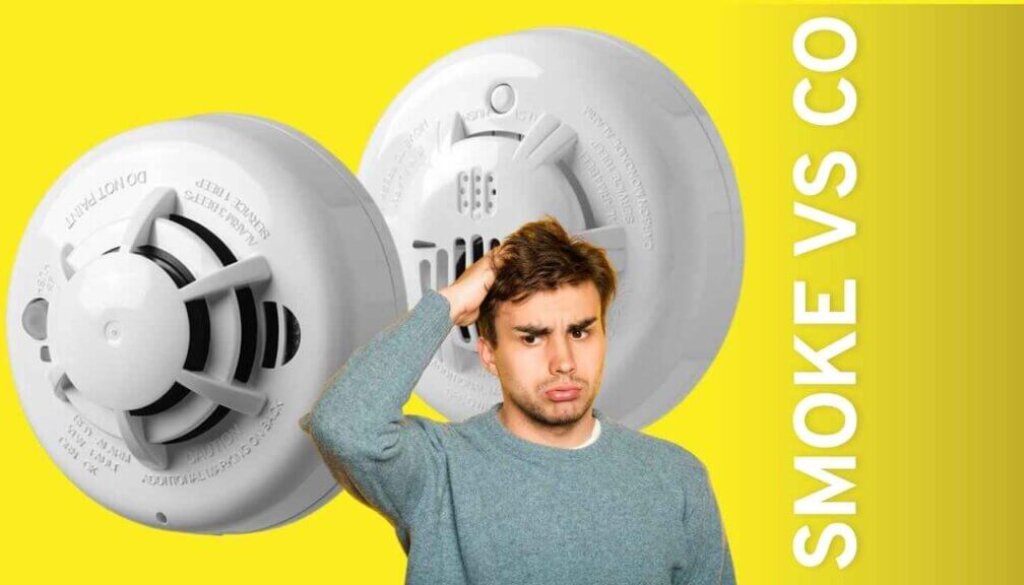
What is the difference between Smoke Alarms vs. Carbon Monoxide Alarms
Smoke Alarms vs Carbon Monoxide Alarms: Why Your Home Needs Both
Protecting your home starts with understanding the safety devices designed to warn you of danger. Smoke alarms and carbon monoxide alarms are two of the most important systems every household should have, yet many homeowners are not clear on how they differ or why both are necessary.
Each device detects a different threat, and together they provide complete protection against fire and harmful gases.
How Smoke Alarms Keep You Safe
Smoke alarms are designed to sense particles released when a fire begins. These particles can appear long before flames become visible. When smoke is detected, the alarm sounds to alert occupants so they can escape quickly.
House fires can start in many ways, including cooking accidents, electrical issues, heating equipment, or unattended candles. Smoke spreads fast and can become deadly within minutes. A properly working smoke alarm gives your family the time they need to respond and get to safety.
What Carbon Monoxide Alarms Detect
Carbon monoxide alarms detect a dangerous gas that cannot be seen or smelled. This gas is created when fuels such as natural gas, propane, wood, or gasoline do not burn properly.
Common sources include furnaces, fireplaces, gas stoves, water heaters, generators, and vehicles running in attached garages. Because carbon monoxide is invisible and odourless, people often do not realize there is a problem until they start to feel unwell.
Symptoms may include headaches, dizziness, nausea, confusion, or fatigue. In severe cases, exposure can lead to unconsciousness or even death. A carbon monoxide alarm is often the only warning sign that dangerous levels are present in a home.

Why One Alarm Is Not Enough
Smoke alarms and carbon monoxide alarms protect against different risks. A home can experience a fire without carbon monoxide being present. It can also have dangerous carbon monoxide levels without any fire.
Ontario’s Fire Code now requires carbon monoxide alarms in more areas of the home, particularly where fuel-burning appliances or attached garages are present. Smoke alarms continue to be mandatory throughout residential properties.
Having both types of alarms ensures protection from visible dangers like fire and hidden threats like carbon monoxide.
Proper Placement Is Essential
Smoke alarms should be installed on every level of the home and near sleeping areas. Carbon monoxide alarms should be placed close to bedrooms and on any storey that contains fuel-burning appliances, fireplaces, or an attached garage.
Following manufacturer instructions and Fire Code guidelines is important. Even the best alarm cannot protect your home if it is installed in the wrong location.
Testing and Maintenance Matter
Alarms should be tested regularly to make sure they are working properly. Batteries need to be replaced as needed, and entire units should be changed according to the manufacturer’s recommended lifespan, usually every seven to ten years.
A device that does not function properly cannot provide protection when it is needed most.
The Added Value of Professional Monitoring
Traditional alarms depend on someone being home and able to respond. Professionally monitored smoke and carbon monoxide systems send alerts directly to a monitoring centre when activated.
This allows emergency services to be dispatched even if no one is home, occupants are asleep, or someone is unable to respond. Monitoring helps reduce response times and improves safety outcomes during fire and carbon monoxide emergencies.
Smoke alarms and carbon monoxide alarms serve different but equally important roles in keeping your home safe. Together, they create a complete safety system that protects against both fire and invisible gas threats.
With Ontario placing greater emphasis on carbon monoxide detection, now is the right time for homeowners to review their alarm coverage and consider enhanced protection through professional monitoring.