
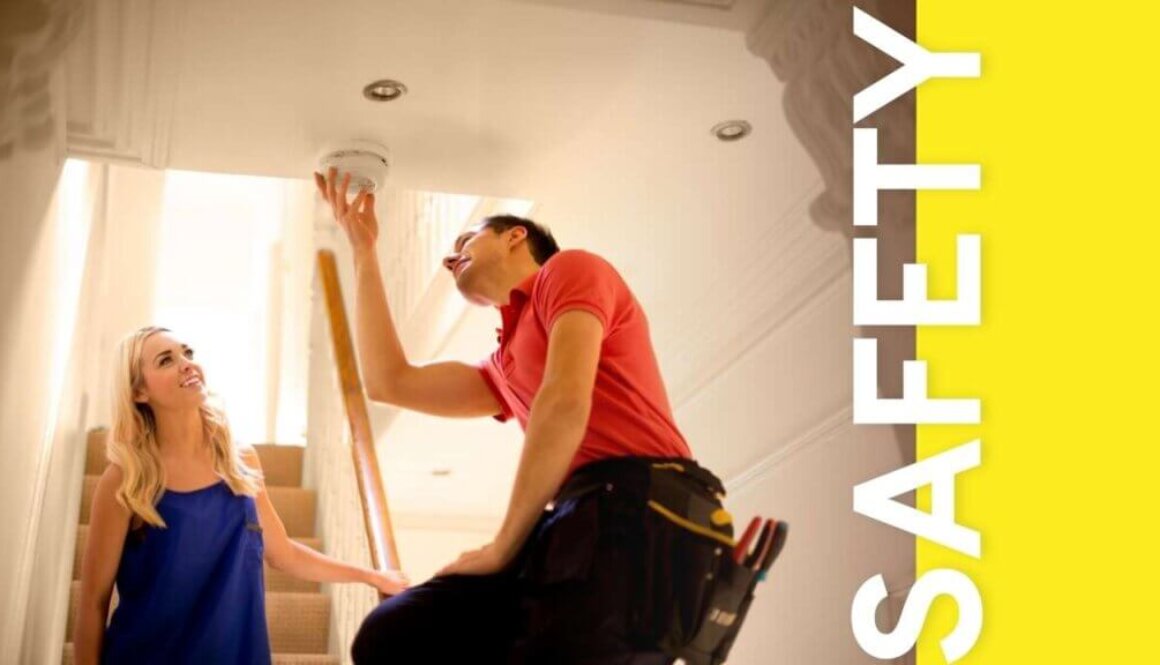
Understanding the New Fire Code for Ontario Homes
Ontario Fire Code Updates: What Homeowners Need to Know About Carbon Monoxide Alarms in 2026
Carbon monoxide is often called the silent killer because it cannot be seen, smelled, or tasted. Without proper detection, dangerous levels of this gas can build up inside a home without warning. To improve residential safety, Ontario has updated its Fire Code to expand carbon monoxide alarm requirements starting January 1, 2026.
These changes are designed to help homeowners detect carbon monoxide sooner and reduce the risk of serious injury or death.
What Is Changing Under the Fire Code
The updated Ontario Fire Code now requires carbon monoxide alarms to be installed in more areas of residential properties that contain fuel-burning appliances or attached garages.
CO alarms must be placed on every level of the home where there is a potential carbon monoxide source. They must also be installed near all sleeping areas so occupants are alerted quickly while resting. Homes that receive heated air from fuel-burning equipment located outside the main living space, such as in a detached utility room, are also included.
These rules apply to detached houses, semi-detached homes, townhouses, cottages, and other residential properties that contain any equipment capable of producing carbon monoxide.
Who Is Responsible for Compliance
Property owners are responsible for ensuring carbon monoxide alarms are installed and maintained properly. Landlords must provide working alarms and clear maintenance instructions for tenants. Tenants are expected to report any damaged or non-functioning devices.
Proper installation and regular testing are essential for meeting Fire Code requirements and keeping households safe.
Why Carbon Monoxide Detection Matters
Carbon monoxide is created when fuels like natural gas, propane, wood, or gasoline do not burn completely. Common household sources include furnaces, fireplaces, water heaters, gas stoves, generators, and vehicles running in attached garages.
Because the gas is invisible and odourless, people often do not realize there is a problem until symptoms appear. These can include headaches, dizziness, nausea, confusion, and in severe cases, loss of consciousness or death. Symptoms can resemble the flu, which delays response and increases risk.
Early detection through properly placed CO alarms gives occupants time to react and seek help.
Placement Makes a Difference
Installing alarms on every relevant level of the home improves detection speed. Carbon monoxide spreads easily through indoor air, so limiting alarms to only one area can delay warnings. Strategic placement ensures the gas is detected wherever it accumulates.
Steps Homeowners Should Take
Homeowners should review their current alarm setup to confirm it meets the updated requirements. Additional units may be needed on different storeys or near bedrooms. Alarms should be tested monthly and replaced according to manufacturer guidelines, usually every seven to ten years.
For added protection, many homeowners choose professionally monitored systems.
The Advantage of Professional Monitoring
Monitored carbon monoxide and smoke alarms provide an extra layer of safety. When an alarm is triggered, alerts are sent to a monitoring centre where trained operators can contact emergency services immediately.
This is especially valuable if no one is home, occupants are asleep, or someone is unable to respond. Monitoring also integrates fire, intrusion, and environmental alerts into one system, allowing homeowners to stay informed through mobile notifications.
Regular system checks and maintenance reminders help ensure alarms continue working properly over time.
A Safer Future for Ontario Homes
The 2026 Fire Code updates represent a major step forward in residential safety. By expanding carbon monoxide alarm coverage, Ontario is helping protect families from a serious and often hidden danger.
Homeowners who take the time to update their alarm systems and consider professional monitoring can enjoy greater peace of mind knowing their homes are both compliant and protected.