
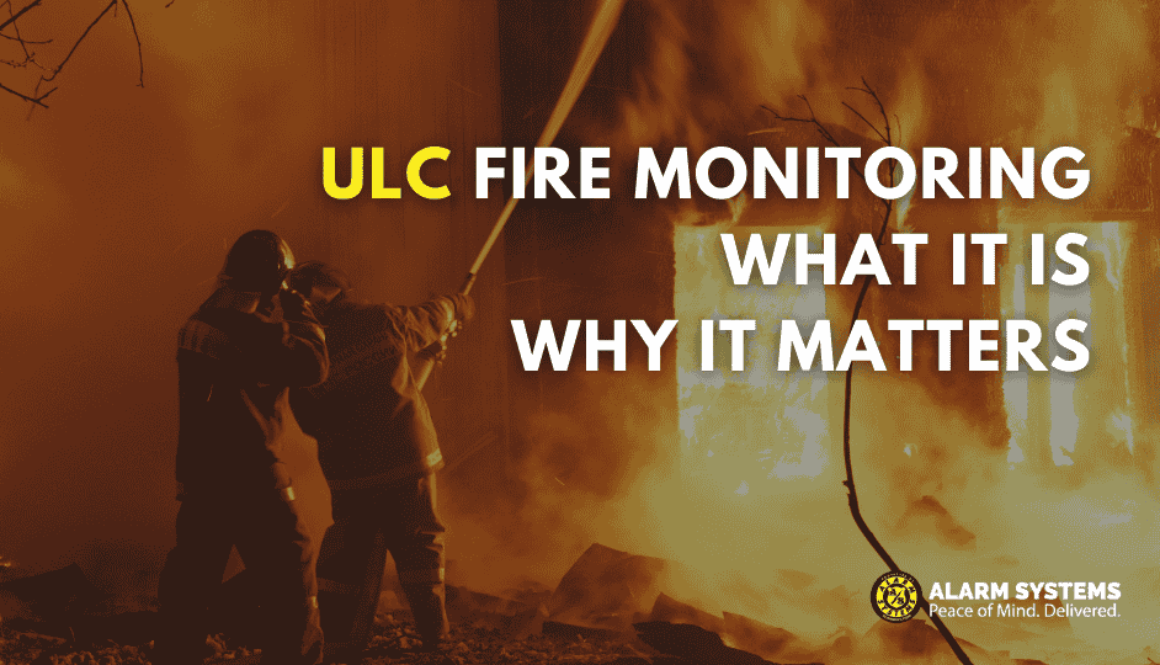
ULC Fire Monitoring: What It Is, Why It Matters, and Why Your Insurance Company Cares
If you’ve ever looked closely at your commercial insurance policy or had a conversation with your broker about coverage requirements, you may have come across the term “ULC-listed monitoring.” You may have nodded along, not entirely sure what it meant.
You’re not alone. ULC certification is one of the most important and least-understood standards in commercial fire protection. And for businesses operating in Ontario, it’s increasingly the difference between full insurance coverage and a policy that won’t pay out when you need it most.
Here’s a plain-language explanation of what ULC fire monitoring is, what it requires, and why it matters for your business.
What ULC Means
ULC stands for Underwriters Laboratories of Canada — an independent, not-for-profit organization that sets safety and performance standards for products and services used in Canada, including fire and security monitoring systems.
A ULC-listed monitoring station has met rigorous standards for physical security, redundancy, staffing, response protocols, and operational reliability. When a monitoring company earns ULC certification, it means their facility and processes have been independently verified to meet a high, consistent standard — not just claimed by the company itself.
Why Your Insurance Company Cares
Insurance underwriters use ULC certification as a key indicator of risk management quality. A business with ULC-listed fire monitoring has demonstrably reduced its risk profile — and insurers price that accordingly.
In many commercial insurance policies, ULC-listed monitoring is not merely preferred — it’s a coverage condition. That means if your monitoring does not meet ULC standards, a major fire loss could result in a significantly reduced payout, or in some cases, a denied claim entirely. This is a conversation worth having with your broker if you haven’t already.
Businesses that upgrade to ULC-listed monitoring also frequently see meaningful reductions in their insurance premiums — often enough to offset a significant portion of the monitoring cost.
What ULC-Listed Monitoring Actually Provides
Beyond the insurance implications, ULC-listed fire monitoring means your business is protected by a monitoring centre that operates to a higher standard of reliability. Redundant communication pathways ensure alerts reach the monitoring centre even if one connection fails. Backup power systems keep monitoring active during outages. Trained operators follow verified response protocols that maximize the speed and effectiveness of fire service dispatch.
For businesses with significant physical assets, employee safety considerations, or operational continuity concerns, this level of reliability is not a luxury. It is simply the right standard.
The Difference Between Basic and ULC-Certified
Not all commercial fire monitoring is ULC-certified, and the gap between basic monitoring and ULC-listed service is meaningful. Basic monitoring may use a single communication channel, operate from facilities without redundant power, or follow response protocols that do not meet the ULC standard.
When you’re evaluating your current provider — or comparing options — the question to ask is direct: is your monitoring station ULC-listed? If the answer is unclear, that’s a signal worth taking seriously.
Fire Monitoring as Part of a Complete Business Security Strategy
ULC fire monitoring works best as one layer within an integrated security system. When your fire detection, intrusion alarm, access control, and camera systems are connected and monitored through a single provider, your response protocols become more coherent, your reporting becomes more comprehensive, and your overall security posture improves.
For businesses in Eastern Ontario, working with a local provider also means technicians who know your building, understand your operation, and can respond quickly when service or support is needed — not a national call centre routing your issue through a queue.
Find Out If Your Business Qualifies for ULC-Certified Fire Monitoring
Alarm Systems offers ULC-listed fire monitoring for commercial clients across Belleville, Kingston, and Brockville. We’ll assess your current fire protection setup, walk you through what certification means for your specific business, and give you a clear picture of your options — with no obligation.
Book your free commercial fire monitoring consultation at alarmsys.com or call 613-969-5100. Local experts. Only security.



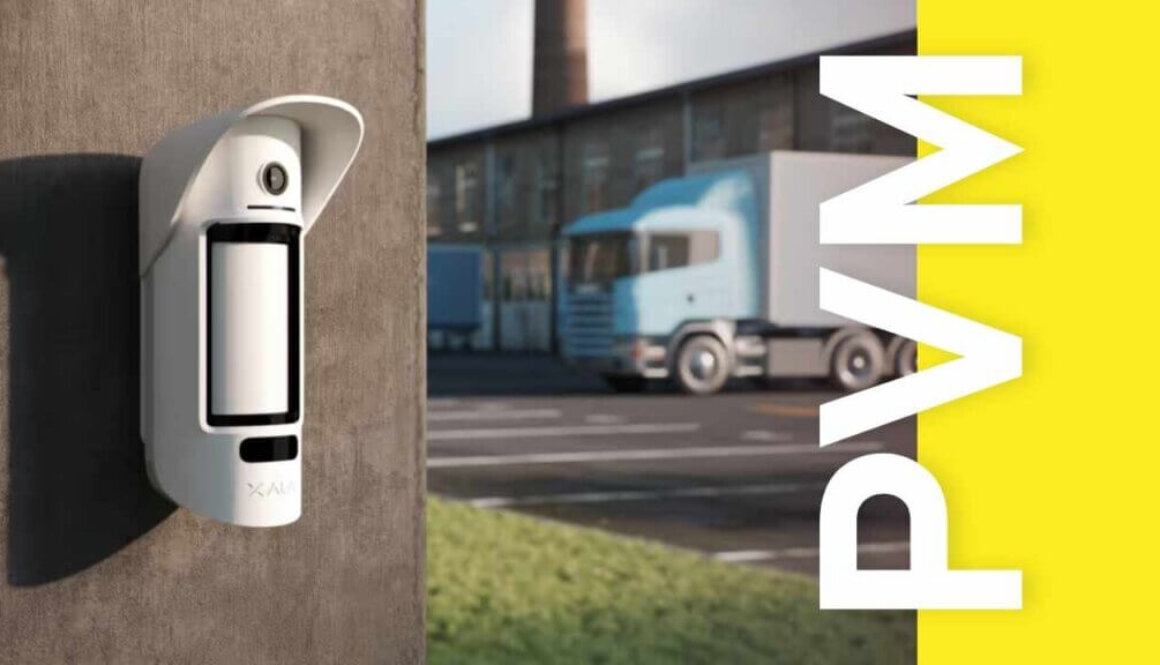




 Many businesses install standalone access control systems without integrating them with other security measures such as alarms or CCTV. This lack of integration can result in slower response times during security breaches and reduced operational efficiency. For instance, an office building operating separate systems for door access, alarms, and video surveillance might struggle to respond swiftly and effectively during emergencies. Integrating these systems into a unified security management platform provides seamless operation, streamlined monitoring, rapid response capabilities, and enhanced reporting, significantly improving overall security management.
 Using separate, standalone security systems can result in fragmented management, delayed responses, and operational inefficiencies. A fully integrated security platform consolidates video surveillance, access control, alarm systems, and building automation (such as lighting and thermostats) into a single, user-friendly application. Imagine a large commercial property management firm operating multiple facilities; without integration, responding quickly to incidents or managing systems across locations can become cumbersome and ineffective. Choosing a fully integrated solution enables centralized control, enhanced situational awareness, streamlined operations, and quicker response times.