Why Your Security System Needs a Yearly Service Call
Your security system works quietly in the background every day. That does not mean it should be ignored.
When your system was first installed, every device was tested, aligned, and configured properly. Over time, however, even the best systems require maintenance. Batteries weaken. Dust builds up on sensors and cameras. Devices shift slightly out of position. Firmware updates may not complete correctly. Most of these issues happen gradually and without obvious warnings.
A yearly service visit helps ensure your system continues protecting your home or business the way it was designed to.
Batteries Get Replaced Before They Fail
Most people do not realize how many batteries are inside a modern security system. Backup batteries, door and window contacts, motion detectors, glass break sensors, and wireless keypads all rely on battery power.
Batteries rarely stop working suddenly. Instead, they slowly lose strength over time, reducing the reliability of the device. A weak backup battery may not keep your system running during a power outage, which is often when protection matters most.
During a yearly service visit, every battery is tested and replaced as needed before it becomes a problem.
Cameras and Sensors Get Cleaned
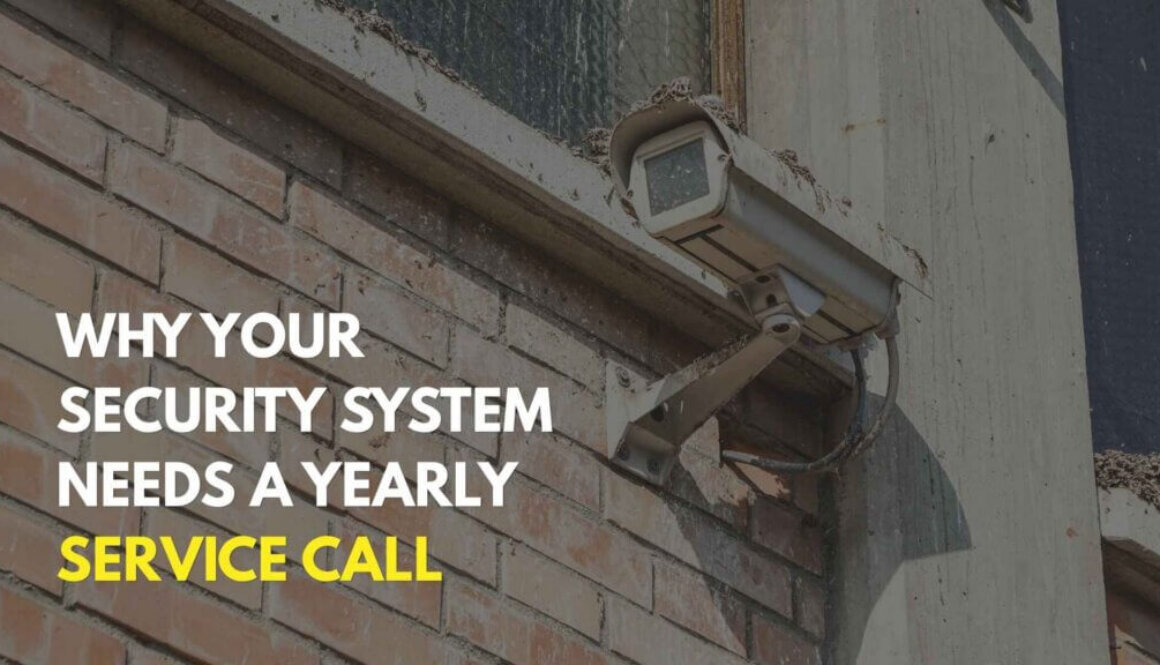
Outdoor cameras are constantly exposed to dirt, pollen, road dust, rain residue, and cobwebs. Even if a lens does not appear dirty, buildup can reduce image quality and impact video analytics and motion detection performance.
Cobwebs are one of the most common causes of false alerts. Small movements near the lens can repeatedly trigger notifications and reduce confidence in the system.
Dust can also affect motion sensors and other detection devices inside the property. A service visit includes cleaning cameras and sensors to help maintain proper performance.
Every Zone Gets Tested
A proper annual service is more than a quick inspection. Technicians test your entire system by opening doors and windows, activating motion detectors, and performing a complete alarm test.
This process identifies issues that are easy to miss, including:
- Sensors moved during renovations or cleaning
- Accidentally bypassed zones
- Weak wireless signal communication
- Devices no longer cover the intended area
Your keypad may still appear normal, and your app may still show the system armed, but unnoticed gaps in coverage can exist without regular testing.
A security system should not leave you guessing whether everything still works correctly.
Mounts, Wiring, and Firmware Get Checked
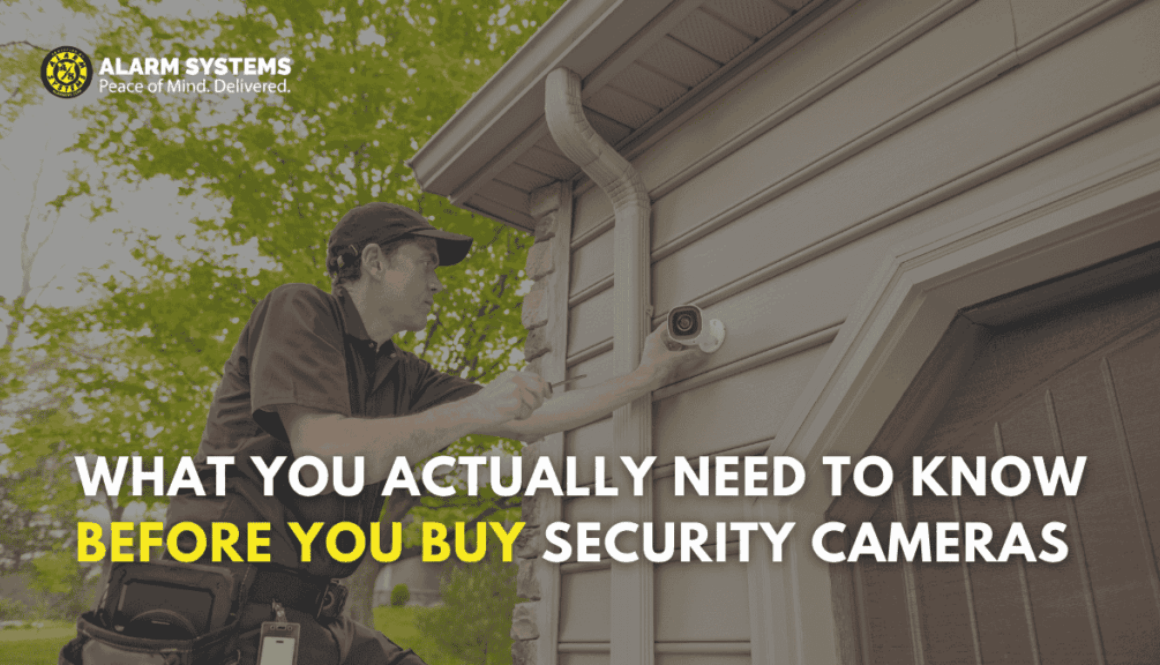
Over time, camera mounts can loosen and viewing angles can shift. Even a slight movement may leave important areas uncovered.
Outdoor wiring can deteriorate from weather exposure, while firmware updates may fail or remain incomplete on certain devices.
During a service visit, a technician checks:
- Camera positioning and mounting
- Wiring and device connections
- System communication
- Firmware and software updates
- Overall system performance
Any issues found can be corrected before they affect your protection.
Our Preferred Service Plan
For just $10 per month, Alarm Systems’ Preferred Service Plan includes one fully covered service call each year with no trip charge and no labour fee. Members also receive priority scheduling, helping you avoid long wait times for service appointments.
For less than the cost of many streaming subscriptions, you gain peace of mind knowing your system is being professionally maintained by a local technician.
Preferred Service Plan Includes:
- 1 free service call per year
- 20% of parts on that service call
- Local technicians and local support
- $10/month
Your security system protects the people and property that matter most. The Preferred Service Plan helps ensure it stays ready when you need it.
Contact Alarm Systems today to add the Preferred Service Plan to your account.