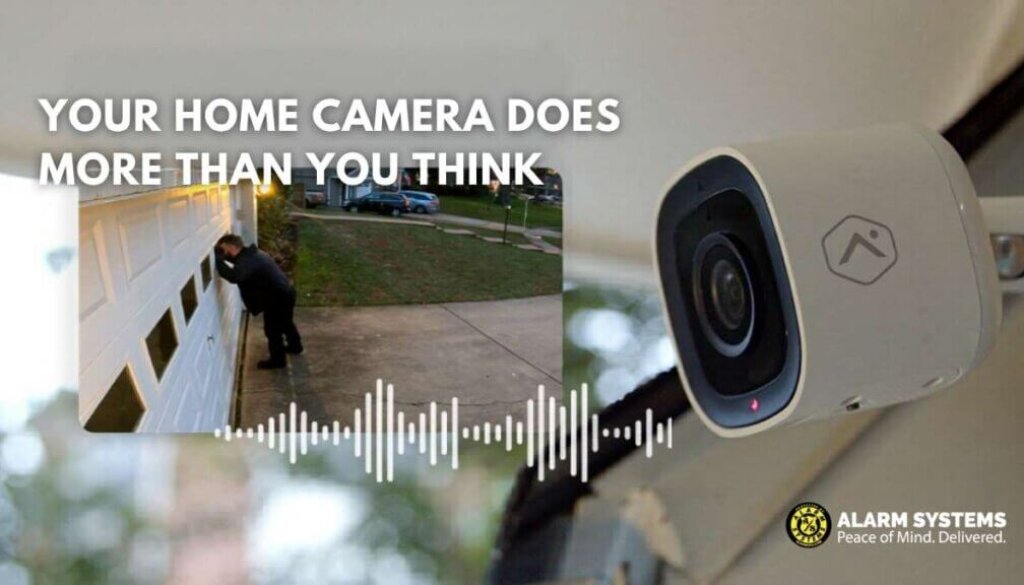
Your Home Camera Can Do More Than You Think
Most people buy a home camera for one reason: security. But once it’s up, something interesting happens.
You start checking it for other things entirely.
You glance at your phone to see if the kids got home from school. You peek in on the dog while you’re in a meeting. You confirm the cleaner showed up, or that your mom is moving around the kitchen like she normally does by 9am. And quietly, without really thinking about it, the camera becomes something different. It becomes a way of staying connected to the home you care about, even when you’re not there.
That shift, from security to awareness, is exactly what the best home camera systems are designed for.
It’s not just about intruders
Here is something the industry doesn’t talk about enough: more than 60% of indoor camera use has nothing to do with crime.
People use home cameras to check on pets (it’s one of the most common reasons people buy them in the first place), to watch for after-school arrivals, to keep an eye on an aging parent living alone, and to coordinate household logistics without taking time off work. The emotional payoff isn’t catching a burglar. It’s a two-second glance at your phone that tells you everything at home is exactly as it should be.
That quiet exhale? That’s what a good home camera system actually delivers.
The moments that makesecurity cameras worth it
Here are the use cases that come up again and again from real homeowners:
After-school arrivals. For families where both parents work, there’s a window every weekday afternoon when no adult is home. A notification at 3:45pm showing your kids walking in, dropping backpacks, and heading for the snacks is worth more than any alarm feature.
Pet monitoring. Around 67% of Canadian households have a pet, and a significant number of camera owners say watching their animals is their most-used feature. The dog who figured out how to open the fridge. The cat performing dramatic solos while the house is empty. The rescue dog filmed warming up to a new dog walker over three weeks, from hiding under the bed to a full-body wiggle greeting. These aren’t security stories. They’re life stories.
Aging parents. With more Canadian seniors choosing to age in place, adult children are turning to indoor cameras as a way to stay connected without being intrusive. A camera in the kitchen confirms your parent is up, moving, and following their routine. Two-way audio turns a check-in into a good morning conversation. One family noticed through their camera that their father had barely moved from his chair for most of the day and was skipping meals, catching early signs of depression before it became a crisis.
Household logistics. Confirming a contractor arrived. Watching the plumber discover an issue and approving the fix in real time. Knowing the delivery didn’t sit in the rain. These aren’t dramatic moments, but they add up to hours of mental energy saved every week.
And then there is the universal one: “Did I leave the stove on?” One camera owner said they used to turn around and drive home at least once a week convinced something was left on. They never once actually had. The camera gave them their Tuesday afternoons back.

Where AI makes your cameras genuinely smarter & more useful
A basic motion-detecting camera in an active home can send 50 to 100 notifications per day. Pets, shadows, a ceiling fan, and curtains shifting. Most people either turn off notifications or stop checking, which defeats the purpose entirely.
AI-powered monitoring changes that by understanding what triggered the alert, not just that something moved.
Modern AI home cameras can distinguish a person from a pet or shadow, recognize familiar faces and tell you who just arrived, set activity zones so the hallway triggers an alert but your cat’s usual route through the living room doesn’t, and detect sounds like a smoke alarm, a baby crying, or glass breaking, sending you a specific alert for each.
For families with aging parents, AI wellness monitoring goes further. The system learns daily patterns and flags anomalies: if your parent is usually active by 8am and it’s 10am with no movement detected, you get an alert. Not an alarm. Not a panic. Just a gentle heads up that something may be off.
The result is fewer notifications that don’t matter and better awareness of the moments that do. It stops being a camera you ignore and starts being a tool you actually rely on.
The numbers speak for themselves
Roughly 80% of home camera owners report feeling safer after installation, and 93% of residential security system owners say their sense of security increased. The average camera owner checks their feed three to five times a day. These aren’t devices gathering dust in a drawer. They’re part of daily routines.
And when asked whether they’d recommend cameras to friends and family? 88% say yes.

One system. A lot more value than you think.
If you already have a security system, there’s a good chance your home camera setup could be doing more for you than it currently is. Better placement, smarter AI monitoring, and the right integration can turn a reactive system into something you genuinely use and rely on every day.
That’s where an Alarm Systems’ Security Consultant comes in. We don’t show up with a standard package and call it done. We walk your property, understand how your household actually works, and design a system around your real life. Whether that’s after-school arrivals, an aging parent, a much-loved dog, or just the peace of mind of knowing your home is exactly as you left it.
Ready to get more from your home security system?
Book a free, no-pressure consultation with one of our CPTED-trained Security Consultants. We’ll take a look at what you have, talk through what’s possible, and give you an honest assessment.
No jargon. No upsell tactics. Just local experts who know what they’re talking about.