Why More Businesses Are Choosing Video Monitoring for Overnight Security
Security remains a top concern for businesses of all sizes. As risks like theft, vandalism, and liability exposure continue to grow, many organisations are rethinking traditional overnight security methods. Relying solely on on-site guards or passive camera systems is no longer the most efficient or cost-effective solution.
In 2026, more businesses are turning to professionally monitored video systems for overnight protection. This shift is driven by better detection, faster response, and predictable operating costs.
The Rising Cost of On-Site Security Guards
For years, hiring overnight guards was the standard approach for protecting commercial properties with valuable assets or multiple access points. However, this model comes with ongoing expenses that can be difficult to manage.
Guard wages, benefits, insurance, training, and supervision add up quickly. Maintaining 24-hour coverage often requires multiple guards to cover shifts, pushing annual costs well into six figures for a single location. In addition, guards can only monitor what they can physically see, which limits coverage in large or complex facilities.
As businesses reassess their security budgets, many find that the traditional guard model is no longer sustainable.

How Video Monitoring Works
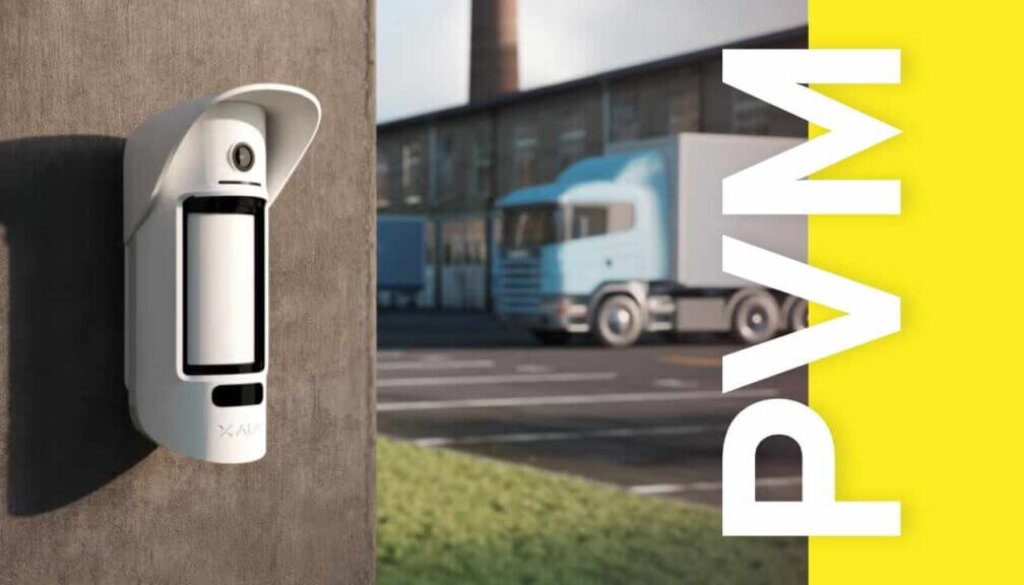
Video monitoring uses security cameras connected to a remote monitoring centre. When suspicious activity is detected, trained professionals or AI-assisted systems verify the event and take action. This may include issuing voice warnings, triggering deterrents, or contacting emergency services.
Unlike passive cameras that only record footage, monitored systems actively respond to potential threats in real time.
Cost-Effective and Scalable Protection
One of the biggest advantages of video monitoring is cost efficiency. Monthly monitoring fees are typically far lower than the combined cost of staffing on-site guards. Businesses also benefit from reduced payroll expenses, fewer management requirements, and easier budgeting.
Video monitoring systems operate 24/7 without breaks, fatigue, or shift changes. A single monitoring centre can oversee multiple properties at once, making it easier to scale protection across several locations.
Faster Response and Fewer False Alarms
Modern video monitoring systems use advanced analytics to filter out routine activity such as passing traffic or weather movement. Only genuine security concerns trigger alerts.
When a real threat is identified, monitoring teams can respond immediately with live audio warnings or emergency dispatch. This leads to faster response times and fewer unnecessary emergency calls.
Better Documentation and Risk Management
Monitored video systems automatically record and time-stamp incidents. This footage is valuable for insurance claims, liability protection, and law enforcement investigations.
Clear visual evidence provides accountability that traditional guard reports cannot always match.
Stronger Deterrence After Hours
Visible, monitored cameras act as a powerful deterrent. Unlike basic CCTV systems, video monitoring allows for active intervention when suspicious behaviour is detected. This helps prevent incidents before they escalate.
A Smarter Overnight Security Strategy
Video monitoring costs vary depending on system size and features, but most businesses find the predictable monthly pricing easier to manage than fluctuating labour expenses.
By switching to intelligent video monitoring, businesses gain continuous protection, faster response, and long-term savings without sacrificing security performance.
As risks continue to evolve, video monitoring is becoming a strategic investment for companies that want reliable, modern, and cost-effective overnight protection.